Your playbook for de-risking product launches 🔭
GET THE GUIDEHow much Sunday Night Football advertising really costs

Sunday Night Football isn’t just another primetime show. It’s one of the last places where advertisers still get what linear TV used to promise by default: massive, live, unduplicated reach.
NBC’s Sunday Night Football consistently ranks as the most-watched program on U.S. television during the NFL season. Nielsen reports Sunday Night Football regularly draws 18-20+ million viewers per game — and high-profile games can push that number even higher.
That combination keeps demand high and inventory tight. And that’s why prices stay eye-watering.
In this article, I break down what Sunday Night Football advertising really costs, how those prices compare to stadium and out-of-home options and how brands decide on the right mix, not just the most visible one.
The State of Creative Effectiveness report
Want more content on how to create better ads? Download our latest State of Creative Effectiveness report.
Sunday Night Football sits at the top of the TV pricing ladder.
Unlike regular prime time, it’s priced like one of the few remaining live events that can still deliver massive, unduplicated audiences at scale.
That’s why Sunday Night Football consistently sets the benchmark for what national TV advertising can cost and why it’s often the reference point for evaluating every other football media option, even for brands that never buy it.
From here, the numbers tell the story.
National TV pricing benchmarks
A 30-second ad spot during Sunday Night Football has exceeded $1 million for the most anticipated games. Such rates reflect sustained advertiser demand for live NFL audiences even as broader primetime TV pricing softens.
Trade publications such as Ad Age and Sports Business Journal have repeatedly reported seven-figure rates for premium NFL TV ad inventory in primetime, particularly for late-season games with playoff implications.
Pricing at this level keeps Sunday Night Football at the center of most football media conversations, even as the rest of primetime TV changes.
Outside of sports, primetime TV Cost Per Mille (or Thousand) impressions (CPMs) have softened with audiences fragmented across streaming and on-demand platforms. That said, NFL games haven’t followed that trend and are still able to deliver a large live audience.
According to industry reports, NFL primetime CPMs often command 2–3× higher rates than general entertainment programming due to reliability, live viewing and brand engagement. Why football commands a premium
Football ad pricing follows fan behavior, not media theory.
Live sports still offer:
Large, simultaneous audiences
Minimal ad skipping
Strong brand association with culturally relevant moments
With limited inventory and intense brand competition, prices only go one direction. Up.
Imagine a high-stakes late-season game, such as a playoff-deciding Sunday night game. Brands are buying more than impressions. They’re buying a presence inside a shared national moment. Millions of viewers see the same ad, at the same time, while emotionally invested in what’s unfolding on screen.
That’s a rare combination these days.
As entertainment audiences fragment across platforms and time zones, live NFL games remain one of the few places where attention is concentrated, predictable and brand-safe. For many brands, that’s a reliability worth paying for.
Away from the broadcast window, football advertising looks very different.
Stadium advertising can include:
LED ribbon boards
End-zone video boards
Football stadium billboards inside or outside the venue
Concourse signage and sponsor zones
Each format has different pricing logic and visibility profiles.
Plus, in-venue advertising doesn’t compete with broadcast on reach. In-venue experiences place brands inside the stadium, where fans are emotionally engaged.
Cost ranges for stadium signage
Broadcast reaches everyone at once. In-venue stadium signage reaches those who are on location, and that difference drives pricing.
Stadium inventory is valued by where it sits, how often it appears and how closely it’s tied to game play rather than raw audience size.
In major NFL venues, premium LED placements often start in the high five figures per season, particularly ribbon boards or end-zone placements visible during live play. At high-profile venues such as AT&T Stadium and SoFi Stadium, LED packages regularly increase in price as demand rises around marquee games.
High-visibility packages can exceed $100,000, depending on the number of games included, on-camera exposure and whether signage is integrated into sponsor reads or in-stadium features.
Static billboards typically cost less but still benefit from game-day foot traffic, proximity to entrances or tailgating zones and repeated exposure across the season.
Pricing also varies widely by market size, team performance and whether packages include multiple games or full-season exposure.
For many brands, the appeal isn’t just visibility. The appeal is controlled, repeat exposure to a highly engaged audience in a football-first environment.
Value for local and regional advertisers
This is where stadium advertising shines.
You don’t need a national TV budget to reach fans on game day, associate your brand with the team or target a concentrated local audience.
For regional brands, the cost-to-relevance ratio often beats national TV, especially when awareness needs to translate into local action.
Global & Local: Balance of power or powerful everywhere?
For more on this, check out our webinar with Nataly Kelly, author of the book "Take Your Company Global," who shares practical steps on how to align your teams across borders and the benefits that can come from it.
Out of home (OOH) gives football advertisers something TV can’t: presence in the physical world. Billboards, digital billboards and transit-adjacent ads appear near football stadiums and surrounding routes fans use to get to the stadium.

These ads are visible before kickoff, after the final whistle and everywhere fans move in between. That presence shapes both pricing and use cases.
Billboard pricing basics
Out-of-home advertising spans a wide range, primarily driven by location and timing.
Rural static billboards can be a few hundred dollars per month
Major metro static boards often run $10,000–$50,000+ per month
Digital billboards are priced by rotation and impressions, often at a premium
Location also matters when it comes to pricing. Those stadiums, game-day traffic patterns and dense fan corridors command higher rates because they intercept attention at peak moments.
For example, a static billboard several miles outside MetLife Stadium may cost a fraction of a digital board positioned on a primary approach route on game day. The audience size isn’t just larger on game day; it’s also more engaged.
Digital billboards add another layer. Messaging can rotate by day, time or game schedule, making them especially effective around football weekends.
Strategic football OOH strategies
Strong OOH strategies tend to target game-day commutes, sit near tailgating routes or transit hubs and use time-based creative tied to kickoff windows.
Digital OOH adds flexibility. Creative can change based on the opponent, weather conditions or even whether the home team is on a winning streak.
This is why many brands use billboards to reinforce broadcast messaging rather than replace it. The moments change, but it’s the same story. Used this way, OOH becomes less about raw impressions and more about contextual repetition, where recall is often built.
On paper, TV looks expensive and OOH looks efficient. In practice, OOH vs. TV football advertising comes down to the kind of attention you’re buying and when it shows up.

CPM and audience quality considerations
CPM football ads remain among the highest in television due to live views and audience concentration. A single Sunday Night Football spot can put your brand in front of 20+ million viewers in one moment.
The trade-off is cost:
You’re paying a premium per spot.
CPMs are high, even by sports standards
Creative has to do a lot of work very fast
Stadium signage and billboards operate differently:
Individual placements cost far less than national TV
Audiences are smaller but more concentrated
Exposure happens in highly contextual moments
A fan walking into a stadium, sitting in traffic near the venue or heading to a watch party is already mentally in “football mode.” Which means a context for bigger impact.
In short:
TV maximizes scale
Stadium and OOH maximize situational relevance and recall
Neither is inherently better. They solve different problems. It’s more about finding the right fit and combination for your brand.
Choosing the right mix for your brand
While pricing of course affects business decisions, the right football media mix ultimately depends less on budget size and more on what you need the advertising to do.
Sunday Night Football, stadium signage and OOH aren’t interchangeable. They create different types of attention at different moments under very different conditions. Treating them as substitutes usually leads to overpaying for the wrong outcome.
Before locking in a plan, ask yourself a few questions:
Are you optimizing for national awareness or local activation?
Are you looking to scale fast or reinforce over time?
Where does your audience physically move on game day?
Those answers can quickly sort the correct mix.
For example, a national brand launching a new product might anchor ad spend in Sunday Night Football to establish reach and credibility in a single moment. Stadium signage and billboards then reinforce that message locally.
A regional brand might decide to skip national TV and focus on stadium billboards along game-day routes. Such an approach uses repetition and context to drive recall and action without paying for national reach.
This is where aligning objectives to format matters:
TV excels at brand awareness at scale
Stadium and OOH excel at local relevance and repetition
Which do you need most?
This is where discipline beats bravado.
Before committing seven figures to a TV spot or locking in stadium inventory months in advance, leading marketers test their advertising early. Not just whether an ad looks good, but whether it works for their audience as well as in the environments fans will encounter it.
That might mean testing:
Creative ideas
Messaging clarity and brand fit
Channel context, including TV vs stadium vs OOH
Instead of guessing what will work, they compare multiple executions with real fans to see what earns attention and sticks.
Pepsi is one example. Ahead of major NFL moments, Pepsi has historically tested creative variants and message framing tied to game-day rituals before scaling them across broadcast, in-stadium and OOH placements.
The goal isn’t just a polished TV spot. It’s creative that holds up when it’s compressed, cropped or seen peripherally on game day.
That upfront signal reduces risk long before real money is at stake.
How PepsiCo makes winning Super Bowl ads time and again
Learn how PepsiCo creates winning Super Bowl ads each year, using the Zappi's Amplify Advertising System to bring consumer insights into every step of the creation process.
Validating messaging and placements with audiences
The smartest teams don’t just test ads. They test where those ads live.
For example, a brand considering a Sunday Night Football TV spot may test the same core idea across:
A 30-second TV script
A stadium LED board execution
A digital billboard near the stadium
By showing these variations to football fans, marketers can see which messages travel best across formats and which channel delivers the strongest signal per dollar.
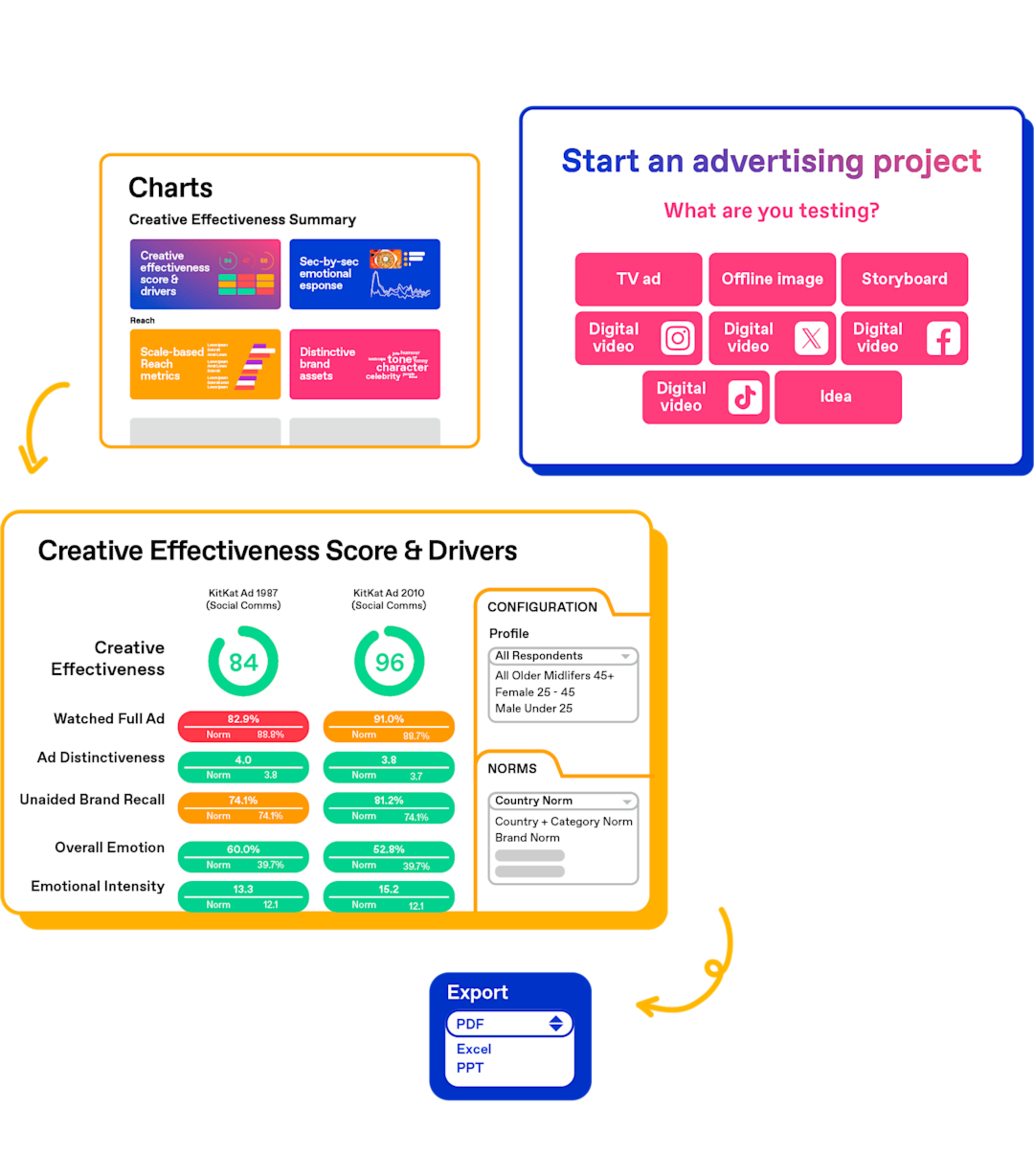
This is where platforms like Zappi help teams move faster. Brands can validate creative, taglines and placement concepts with football audiences at scale, as well as compare performance across formats and make clearer calls on where to invest before committing to TV or OOH buys.
This leads to less guesswork, more confidence and better business decisions.
By now, it’s evident that football advertising rewards planning and not impulse. Here’s some best practices to keep in mind during this process:
1. Set clear goals and KPIs
Decide upfront what success looks like. Are you optimizing for reach, recall, local lift or brand association? Each goal points to different channels.
2. Align audience timing and content
Creative matters most when it shows up at the right time and place. Plan media around kickoff windows, rivalry games and seasonal momentum to tap into the football fan mindset.
3. Monitor and optimize mid campaign
Early signals matter. Shift spend toward high-performing formats, adjust creative where attention drops and use OOH to reinforce what’s landing on TV.
Visibility is easy to buy. Effectiveness takes work.
Football advertising doesn’t just reward the loudest buy. It rewards the most intentional one. When each channel has a specific job, it works together. Broadcast creates scale while stadium and OOH create familiarity.
Sunday Night Football commands a premium because it delivers shared attention at scale. Brands that get football advertising right, recognize the difference and ask, “What role does this channel play in the decision we’re trying to shape?”
The State of Creative Effectiveness report
Want more content on how to create better ads? Download our latest State of Creative Effectiveness report.


